
Introduction
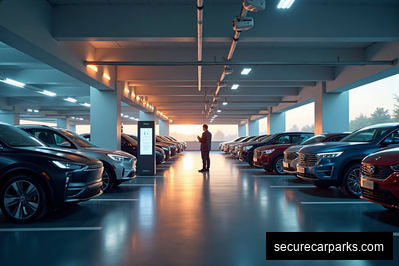
In the realm of urban development, parking management often remains overlooked. However, it's an integral part of urban planning, affecting traffic flow, city aesthetics, and environmental sustainability. Historically, parking management was manually operated, with parking attendants and paper tickets. However, technological advancements have revolutionized this sector, leading to the advent of digital parking solutions, which are redefining the parking experience.
This journey from manual to digital solutions in parking management provides a compelling case study of how technology can transform a critical but often undervalued aspect of urban life. Let's explore this exciting evolution.
Expanding on the introduction, understanding the nuances of parking management is crucial for sustainable urban development. Effective parking strategies can alleviate congestion, reduce pollution, and enhance the overall quality of life in cities. For instance, implementing smart parking technologies like sensors and mobile apps not only streamline parking operations but also contribute to a more efficient use of urban space.
The Era of Manual Parking Management
In the early days, parking management was largely an inefficient and time-consuming process. Parking lots lacked clear organization and were manned by parking attendants who manually recorded each vehicle's arrival and departure times. This system was fraught with human errors, leading to disputes and revenue losses.
An example of this inefficiency can be found in a 1970s case study of a New York City parking lot. The management reported significant revenue discrepancies due to manual error and fraud. The lack of an efficient tracking system led to the overuse of parking spaces and increased traffic congestion.
The era of manual parking management was characterized by ticket stubs, hand-operated barriers, and limited parking space availability. Patrons often faced long queues, trying to secure a spot, leading to frustration and delays. Parking attendants manually recorded entry and exit times, relying solely on physical logs to track vehicles. This outdated system not only caused inefficiencies but also left room for errors and disputes over parking fees.
The Advent of Automated Systems
As technology advanced, so did parking management systems. The 1980s and 1990s saw the introduction of automated ticket machines, offering a more efficient way to manage parking lots. These machines reduced the likelihood of disputes and revenue losses by providing a record of parking transactions. However, they were not without their flaws. Mechanical failures and the inability to accept various payment methods were common issues.
Take the example of San Francisco's city garages in the late 1990s. They adopted automated ticket machines but faced challenges due to frequent breakdowns and limited payment options, causing customer dissatisfaction and operational inefficiencies.
The advent of automated systems has revolutionized various industries, including healthcare. One notable example is the implementation of robotic surgery systems, such as the da Vinci Surgical System. This advanced technology allows surgeons to perform intricate procedures with enhanced precision and minimal invasiveness, ultimately leading to better patient outcomes. The integration of automated systems in healthcare showcases the remarkable progress made in merging technology with human expertise to deliver superior medical care.
The Rise of Digital Parking Solutions
The 21st century brought about a digital revolution in parking management. Sophisticated software systems, mobile applications, and Io T devices have made parking a seamless experience. Customers can now locate, reserve, and pay for parking spaces digitally, reducing the need for physical tickets and cash transactions.
In 2016, the city of Los Angeles implemented a digital parking solution, LA Express Park™. This system uses real-time data to adjust parking prices based on demand, helping to manage traffic flow and increase parking availability. Since its implementation, the system has reportedly increased revenue by 2% and decreased parking violations by 10%.
In addition to streamlining parking processes, digital solutions are also enhancing user experience. For instance, mobile apps now allow drivers to easily locate available parking spaces in real-time and make reservations in advance, reducing the stress of finding a spot. Furthermore, digital parking solutions are integrating smart sensors and Io T technology to provide data-driven insights for efficient parking management. This data can help city planners optimize traffic flow and reduce congestion, leading to a more sustainable urban environment.
Future of Parking Management
The future of parking management lies in further technological advancements. Concepts such as artificial intelligence, machine learning, and blockchain are expected to play a significant role. For instance, AI and machine learning can help predict parking behavior and personalize the parking experience for individual users. Meanwhile, blockchain could provide a secure and transparent platform for parking transactions.
A testament to this future is the recent collaboration between Siemens and the city of Copenhagen. They're developing an AI-driven parking management system aimed to streamline the city's parking operations and reduce CO2 emissions.
As the future of parking management continues to evolve, one exciting trend to watch is the rise of smart parking solutions. These innovative technologies leverage sensors and data analytics to optimize parking space utilization, reduce congestion, and enhance overall user experience. For instance, smart parking systems can provide real-time availability updates to drivers, guiding them to vacant spots efficiently. Additionally, integrated payment options and mobile apps streamline the parking process, making it more convenient for both operators and users.
Conclusion
The evolution of parking management from manual to digital solutions is a testament to the transformative power of technology. It has not only streamlined operations but also improved the user experience and contributed to environmental sustainability. However, the journey doesn't stop here. With the advent of technologies like AI, machine learning, and blockchain, the future of parking management looks even more promising.
As we move forward, cities must embrace these digital solutions to tackle parking challenges effectively. By doing so, they can enhance urban living, drive economic growth, and pave the way for smarter, greener cities.
In conclusion, the shift towards digital parking management solutions marks a pivotal moment in urban infrastructure development. The integration of smart technology not only streamlines operations but also enhances user experience, paving the way for more sustainable and efficient parking systems. For instance, the implementation of sensor-based parking guidance systems not only reduces traffic congestion but also minimizes carbon emissions by optimizing parking space utilization. As we embrace the era of smart cities, the conclusion drawn from this evolution is clear - technology is revolutionizing the way we approach parking management for a more connected and eco-friendly future.