
Introduction
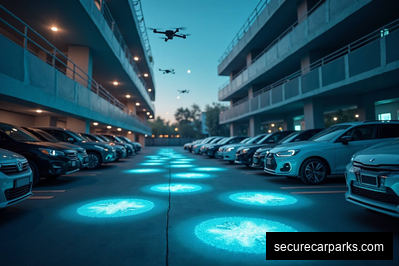
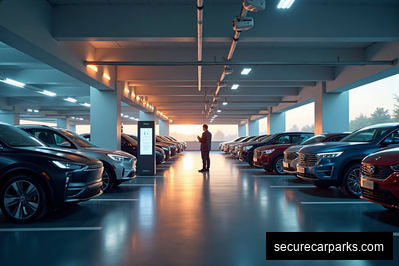
Car parks are more than just a space to leave your vehicle. They are an integral part of modern urban infrastructure, a hub of activity, and unfortunately, a potential target for criminal activity. Advanced security devices have become key in providing secure and efficient parking solutions. They not only deter crime but also streamline operations, ensuring a seamless experience for the user.
This article aims to shed light on the role of advanced security devices in modern parking solutions. We will delve into some of the most effective technologies in use today, their benefits, possible drawbacks, and real-world applications.
The introduction sets the stage for what's to come, laying the groundwork for the reader to delve deeper into the topic at hand. It is the gateway that welcomes individuals into the realm of ideas and information that will be explored further in the blog. Just like an overture in a symphony, the introduction captures attention and sets the tone for the entire piece. It entices the audience to continue reading, promising insights and knowledge that await them.
In the context of a blog post, the introduction serves as a teaser, offering a glimpse into the content that follows. It can provide a brief overview of the main points to be discussed, intriguing the reader and motivating them to read on. Crafting a compelling introduction is crucial for drawing in the audience and keeping them engaged throughout the article. It is the hook that grabs attention and piques curiosity, making it a critical component of any well-structured blog post.
Security Camera Systems
Security cameras are an essential component of any modern parking solution. They provide a continuous visual record of activities within the parking area, helping to deter potential criminals and serve as an invaluable tool for investigations. In a 2019 study by RACV, it was found that car parks with visible CCTV cameras saw a 51% decrease in criminal activity.
Advanced camera systems now include features such as facial recognition and automatic number plate recognition (ANPR). ANPR technology, for example, has been utilized in the city of Leeds to automate entry and exit in parking lots, reducing queue times and enhancing user experience. However, these systems can be expensive to install and maintain, and there are concerns about potential misuse of facial recognition technology.
In addition to enhancing parking solutions, security camera systems play a crucial role in safeguarding retail establishments. These systems not only deter theft and vandalism but also help monitor store traffic and ensure the safety of both customers and employees. By strategically placing high-definition cameras at entrances, exits, and key areas within the store, retailers can effectively reduce instances of shoplifting and other security breaches. Moreover, modern security camera systems offer advanced features such as facial recognition technology and remote access, allowing business owners to stay connected to their stores even when they are off-site.
Furthermore, security camera systems are increasingly being integrated with smart home automation, providing homeowners with added peace of mind. With the ability to monitor their property in real-time through mobile applications, residents can easily check on their homes from anywhere in the world. Some advanced systems even offer motion detection alerts and two-way audio communication, enabling homeowners to respond promptly to any suspicious activity. By investing in a comprehensive security camera system, individuals can proactively protect their properties and loved ones, making it a valuable asset in today's security-conscious world.
Access Control Systems
Access control systems help manage the flow of vehicles and people into and out of parking areas. They include technologies such as smart card readers, biometric systems, and radio-frequency identification (RFID) tags. For instance, San Francisco’s SFO Airport uses an RFID-based system to manage its employee parking, ensuring only authorized personnel can access certain areas.
These systems provide an added layer of security by preventing unauthorized access and can also be used to implement flexible pricing models based on the time of day or duration of stay. Nevertheless, they can be vulnerable to hacking and may be seen as an invasion of privacy by some users.
Beyond just regulating entry and exit points, modern access control systems offer advanced features that enhance security and streamline operations. For instance, some systems integrate license plate recognition technology, allowing seamless entry for authorized vehicles while flagging unauthorized ones. This not only boosts efficiency but also minimizes the risk of security breaches. Additionally, many access control systems now come equipped with biometric authentication, such as fingerprint or facial recognition, ensuring only authorized personnel can access restricted areas.
Furthermore, the data generated by access control systems can be leveraged for analytics and insights. By analyzing entry and exit patterns, businesses can optimize resource allocation, improve traffic flow, and enhance overall safety. Access control systems are no longer just about controlling physical access; they have evolved into powerful tools that drive operational efficiency and security in a variety of environments, from office buildings to residential complexes to industrial facilities.
Alarm Systems and Emergency Buttons
Alarm systems and emergency buttons provide a direct line of communication to security personnel or local law enforcement. These devices can be strategically placed around the parking area, providing users with a sense of security. A case study from the University of Michigan demonstrated that the presence of emergency buttons in their parking facilities led to a significant decrease in reported incidents.
Moreover, modern alarm systems can integrate with other security devices, such as cameras and access control systems, to provide a comprehensive security solution. However, they require regular maintenance to ensure they are in working order and can lead to false alarms if not properly used or monitored.
In the realm of smart home security, alarm systems and emergency buttons have evolved to offer advanced features that enhance safety and peace of mind. Modern alarm systems can now be integrated with smart devices, allowing homeowners to remotely monitor their property and receive real-time alerts on their smartphones. For instance, a motion sensor-triggered alarm not only alerts the authorities but also sends a notification directly to the homeowner's phone, enabling swift action in case of an emergency.
Emergency buttons, also known as panic buttons, have become more discreet and versatile, blending seamlessly into the design of homes and businesses. Some emergency buttons are designed to be wearable, resembling stylish accessories while providing a direct link to emergency services when pressed. These innovative solutions cater to individuals who may require immediate assistance but are unable to reach a phone or call for help manually. With these advancements, alarm systems and emergency buttons have truly become essential components of a comprehensive security strategy in today's interconnected world.
Vehicle Tracking and Location Services
Vehicle tracking and location services use GPS technology to monitor the movement of vehicles within the parking area. This can help in the swift recovery of stolen vehicles and also assist users in locating their vehicles in large parking lots. The Westfield shopping center in London, for example, uses a vehicle location service to help customers find their cars, improving their shopping experience and reducing congestion in the parking area.
These systems offer significant benefits, but they also pose privacy concerns as they involve tracking individuals' movements. Additionally, they can be expensive to implement, particularly in large, multi-level parking facilities.
In the realm of vehicle tracking and location services, real-time monitoring has become a game-changer for businesses. Imagine being able to pinpoint the exact location of your fleet vehicles at any given moment, optimizing routes, ensuring timely deliveries, and enhancing overall operational efficiency. Additionally, with advanced features like geofencing, businesses can establish virtual boundaries on maps, receiving alerts when vehicles enter or exit specific areas. This level of precision not only boosts security but also enables better resource allocation and cost management.
Conclusion
Advanced security devices play a crucial role in modern parking solutions. They help to deter crime, streamline operations, and provide a better user experience. However, their implementation comes with challenges, including cost, maintenance, and privacy concerns.
The key to successful implementation lies in finding a balance between security and convenience, ensuring user privacy, and maintaining transparency about how these systems operate. As technology continues to evolve, so too will the security solutions for parking facilities, promising safer, more efficient, and more user-friendly parking experiences.
In conclusion, integrating advanced security devices into parking solutions not only deters crime but also enhances overall safety and convenience for users. One key example of this is the implementation of license plate recognition systems, which not only improve efficiency in parking management but also provide an added layer of security by monitoring vehicle movements in real-time. Additionally, smart surveillance cameras with AI capabilities can help analyze parking lot activities, detect suspicious behavior, and send alerts to authorities or facility managers, further bolstering security measures.
Furthermore, the use of access control systems such as RFID technology or biometric scanners can restrict unauthorized entry and ensure that only authorized individuals have access to designated parking areas. By leveraging these advanced security technologies, parking solutions can offer a seamless and secure experience for users, instilling confidence in the effectiveness of the overall system. In essence, the integration of cutting-edge security devices in parking facilities not only addresses safety concerns but also sets a new standard for modern parking environments where security and convenience go hand in hand.